The Taiwan Gazette translates and publishes original reporting from Taiwan, Hong Kong and China. Our goal with the platform is simple: We want original reporting from the Sinosphere to have a wider impact on global civil society.

All tagged Taiwan


Distance to the truth – Reinvestigation of migrant fisherman’s death in Indonesia, critical cross-border witness testifies
In late August 2015, Indonesian fisherman Supriyanto died on a Taiwanese distant water fishing vessel, only three months after setting sail. December 15, 2016, The Reporter published the series “Fraud, Exploitation, and Blood on the High Seas,” tracking this case of “death from illness” which the Pingtung District Prosecutors Office speedily concluded within two months, unveiling the suspected mistreatment on the vessel, and the process of trafficking Indonesian fisherman to Taiwan by the shipowner and an agency. After the Control Yuan’s correction and the press' numerous reports, Pingtung District Prosecutors Office soon relaunched the investigation.
In May 2018, one and a half years after, the investigation showed progress. Under the assistance of labor unions from both Taiwan and Indonesia, a fisherman who worked on the same vessel with Supriyanto arrived in Taiwan and gave testimony in court. The testimony not only helped the prosecutor clarify the situation on board then, but also became one of the few successful callings of a foreign witness in the criminal cases.
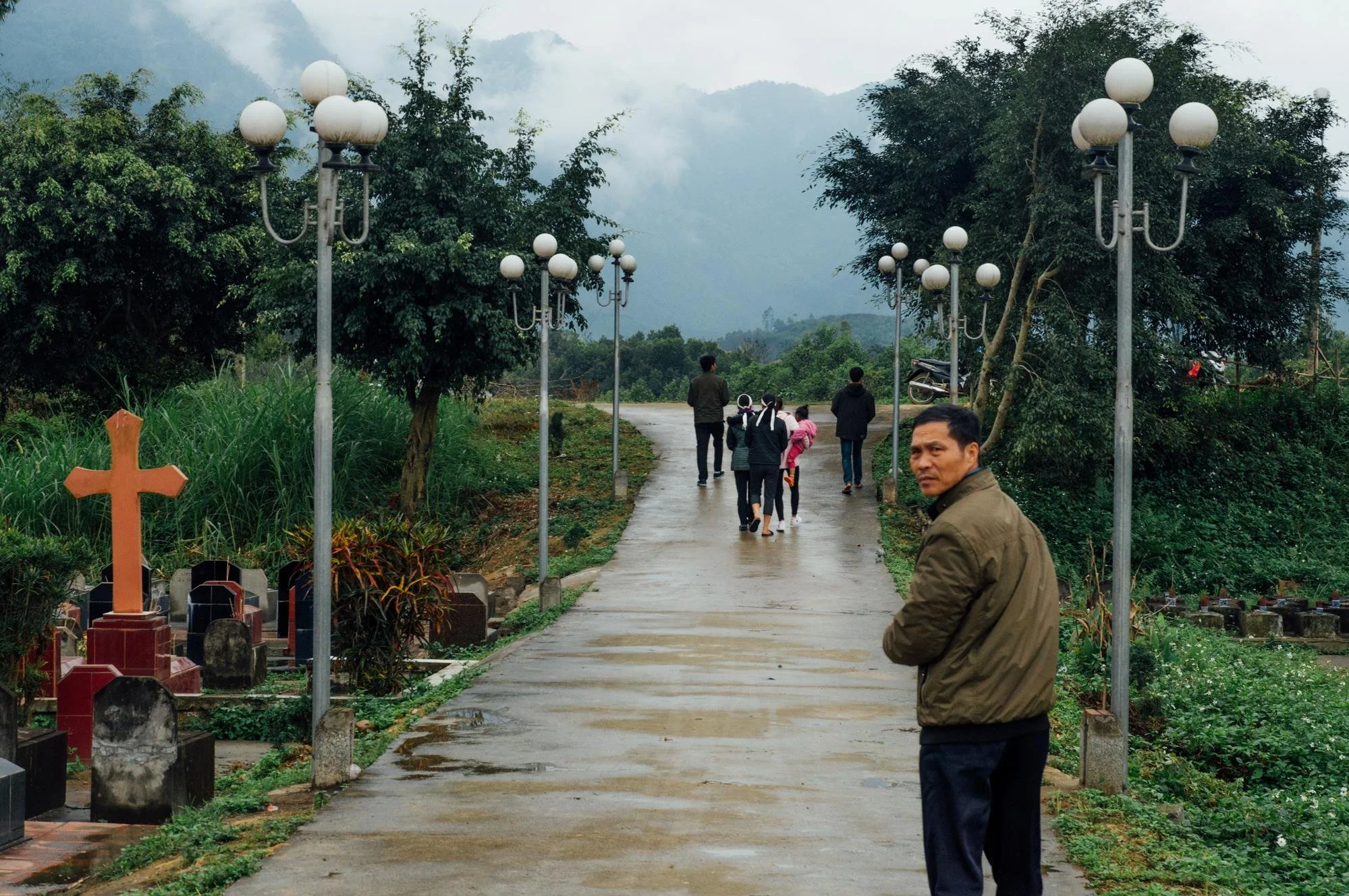
Bringing Home the Dead, From Taiwan to Vietnam
It wasn’t until Nguyễn Văn Chac sat down on the airplane, that he finally had time to settle down, and talk to his brother.
In the early morning of 14 December 2017, his 20 year-old brother, Nguyễn Văn Trãi, died in a fire in the factory dormitory that he was staying at in Taoyuan’s Luzhu district - just a week before they were due to go see the Christmas tree again.


When “Rainy Night Flowers” Meets Western Symphony: The First Hokkien Opera Composer Gordon S.W. Chin
Gordon S.W. Chin (金希文) blends Taiwanese elements in Western classical music. He has written many symphonies, and has even composed a Taiwanese language large-scale opera. At the age of 60, he has become a recipient of the 2017 Taiwan’s National Award for the Arts.
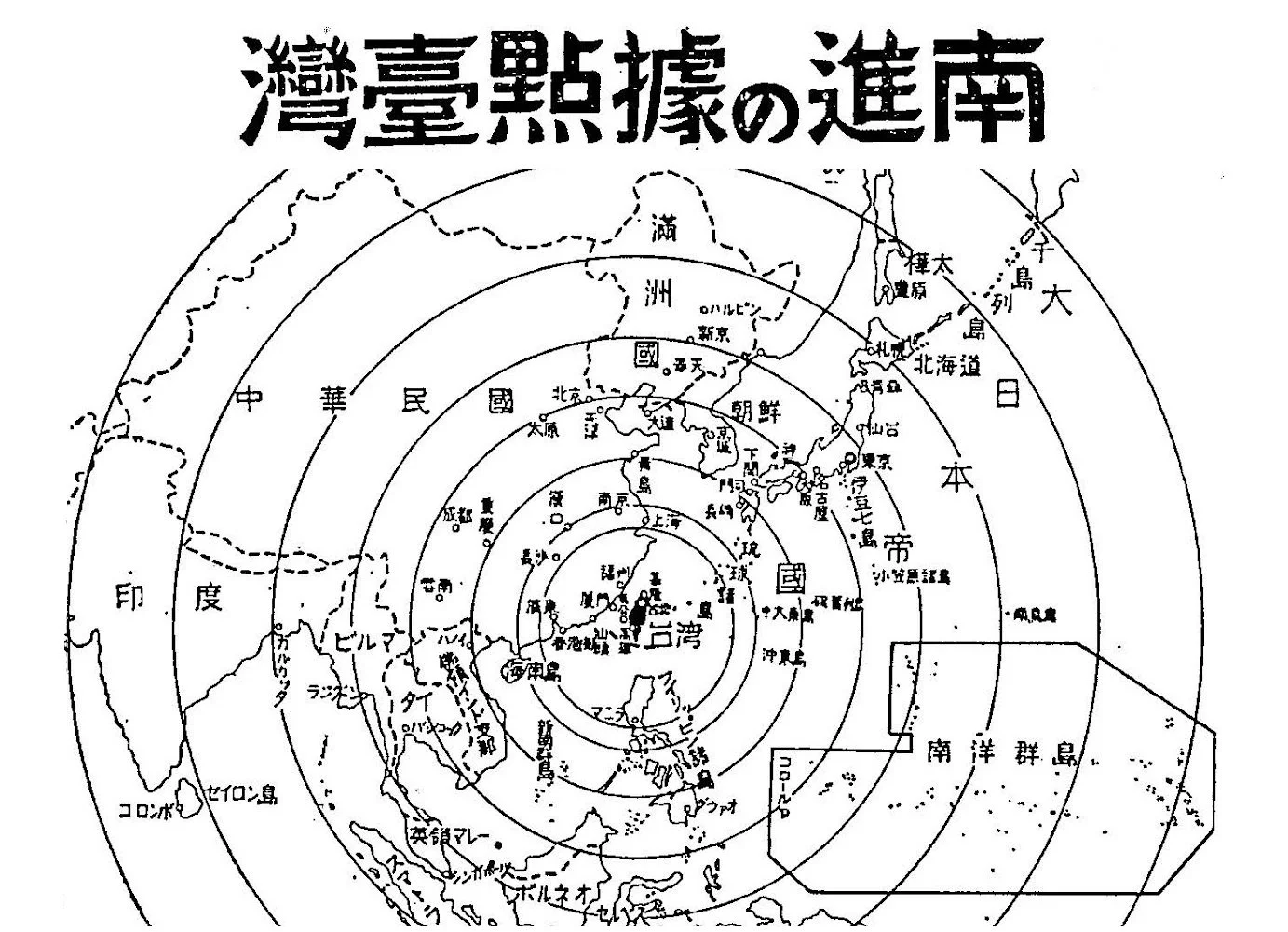
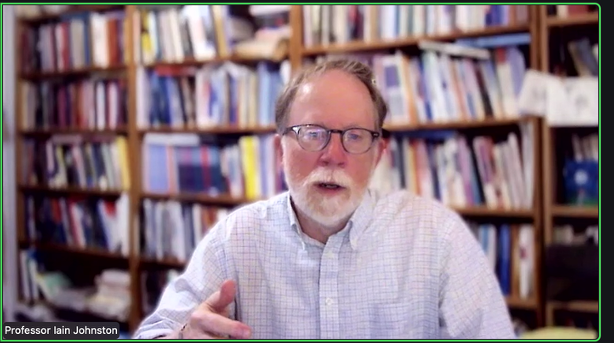
Mediating Japan’s Southern Advance: An Interview with Seiji Shirane (Part 2)
We are pleased to discuss with Professor Seiji Shirane the intermediary role of colonial Taiwan and overseas Taiwanese subjects in the Japanese Empire’s southern advance in South China and Southeast Asia. Part 2 covers Professor Shirane’s thoughts on his book’s potential reception in Taiwan, his pedagogical and historiographical interventions in the field of modern Japanese history, the goals of the newly founded Modern Japan History Association (MJHA), and his advice to graduate students studying Taiwan history in North America.

Mediating Japan’s Southern Advance: An Interview with Seiji Shirane (Part 1)
We are pleased to discuss with Professor Seiji Shirane the intermediary role of colonial Taiwan and overseas Taiwanese subjects in the Japanese Empire’s southern advance in South China and Southeast Asia. The interview is published in two parts. Part 1 details Professor Shirane’s academic trajectory and the historiographical interventions that his scholarship builds on and further extends.
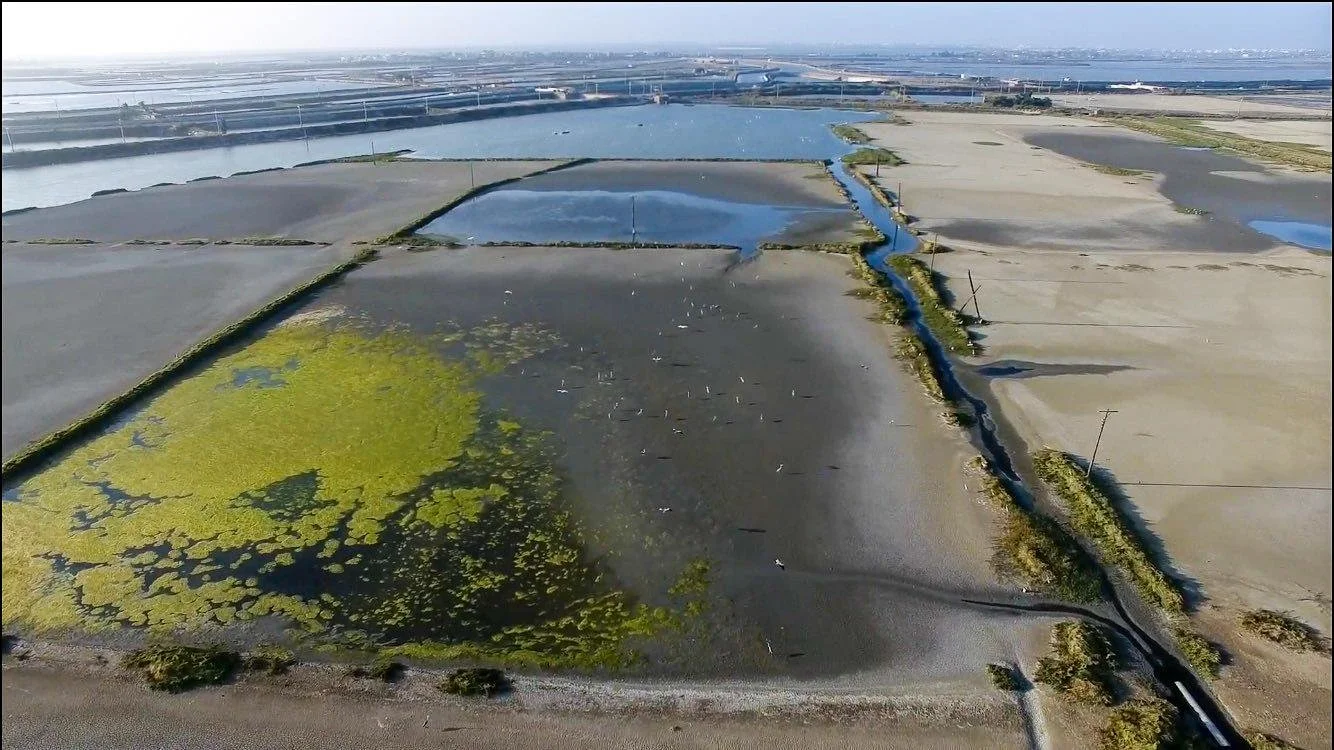
Bringing Green Into Fashion: Taiwan's Energy Dilemma
To combat climate change, Taiwan’s current energy strategy aims to “promote green energy, increase natural gas, reduce coal-fired, [and] achieve nuclear-free” goals. Over the past 3 years, the government has sought to develop various renewable energy programmes. Unfortunately, in cataloging potential sites, some of those with high potential for renewable energy have been found to be ecologically sensitive or have high social value. This tug-of-war between renewable energy development and ecological conservation has created a “Green Conflict”.
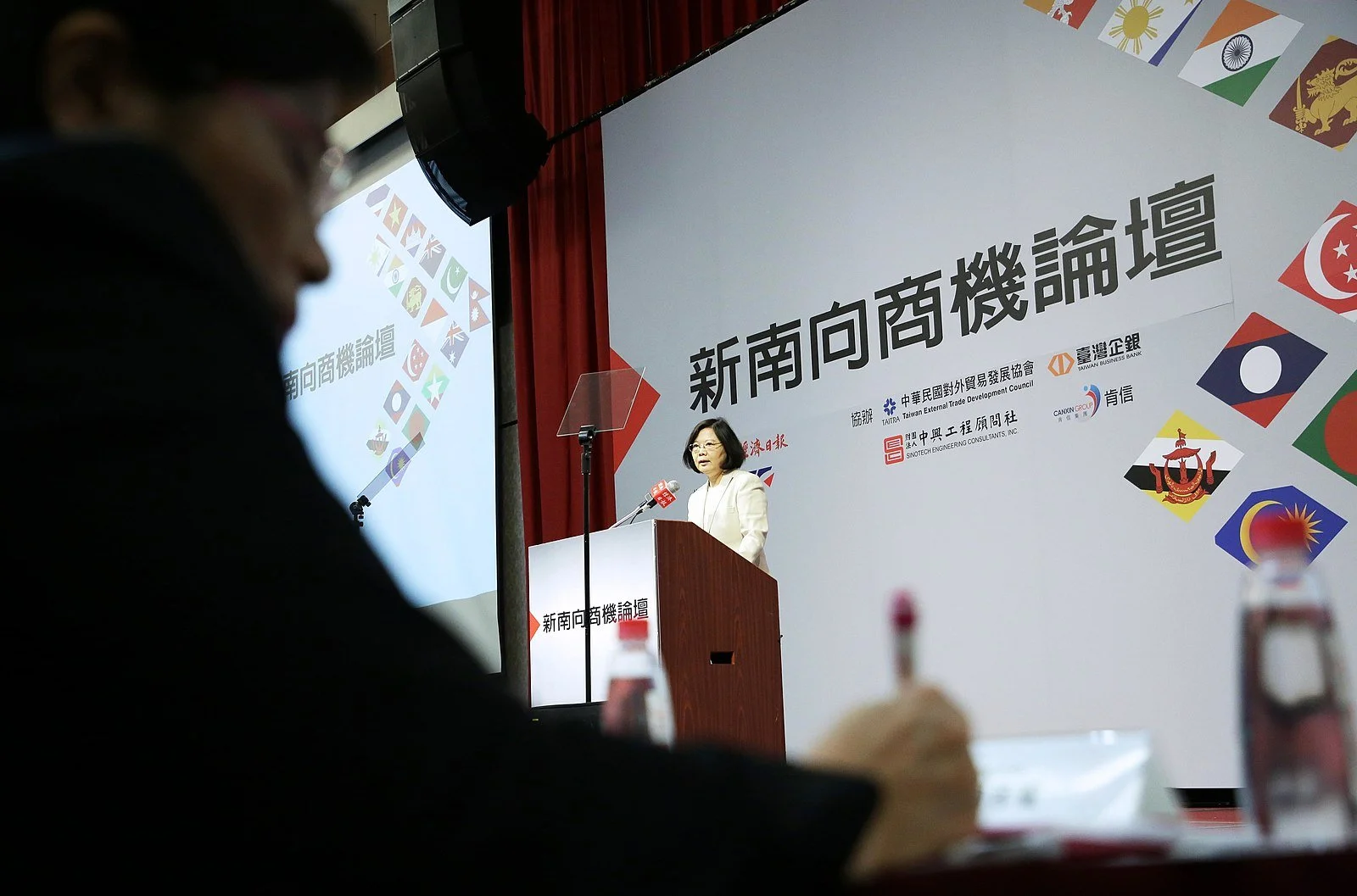
Taiwan Studies in a Transnational Context: An Interview with Pei-Chia Lan (Part 3)
We are pleased to discuss with Professor Lan her research on migrants, parenting, and second-generation children in Taiwan. In this last part, Professor Lan discusses her experiences in public sociology and shares some tips for students engaging in Taiwan Studies.

On Transnational Parenting: An Interview with Pei-Chia Lan (Part 2)
We are pleased to discuss with Professor Lan her research on migrants, parenting, and second-generation children in Taiwan. Part 2 focuses on Professor Lan’s study on parenting. She shares her framework of transnational relational analysis, which overcomes the pitfall of methodological nationalism, and her experiences publishing her parenting study in English and Chinese.

Studying Migrants Before and During the Pandemic in Taiwan: An Interview with Pei-Chia Lan (Part 1)
We are pleased to discuss with Professor Lan her research on migrants, parenting, and second-generation children in Taiwan. Reflecting on her academic journey, in Part 1, Professor Lan discusses how her research on migrant workers has evolved over the years. She also offers insightful analysis of how migrant workers navigate the changing landscape of Taiwanese society during the COVID-19 pandemic.


The Past Conditional Temporality of Taiwan's Transitional Justice: An Interview with Cheng-Yi Huang (Part 2)
How have Taiwan’s civil society responded to the limits of state-organized transitional justice initiatives?

The Law and Politics of Taiwan’s Transitional Justice: An Interview with Cheng-Yi Huang (Part 1)
How can we understand the challenges and possibilities facing Taiwan’s quest for transitional justice through the lens of constitutionalism and political contestation?

Underneath School Campuses: A Short History of Public Cemeteries in Taipei City
In Taiwan, many school campuses are said to have been built upon the site of public cemeteries. This article will probe into the mystery of school campuses by looking at the history of public cemeteries and the founding of several schools in Taipei City.